

“`html
The Ultimate Guide to the Best Protein Powder for Muscle Growth and Recovery
Protein powder has become a staple in the diets of athletes, fitness enthusiasts, and anyone looking to improve their overall health. With a vast array of options available, choosing the right protein powder can feel overwhelming. This comprehensive guide aims to simplify the selection process by providing detailed reviews of top-rated products, a side-by-side comparison, expert buying advice, and answers to frequently asked questions.
The Growing Protein Powder Market: A Trend Analysis
The global protein supplement market is experiencing substantial growth, driven by increasing awareness of the benefits of protein for muscle building, weight management, and overall well-being. According to a recent report by Grand View Research, the global protein supplements market size was valued at USD 20.7 billion in 2023 and is projected to reach USD 34.4 billion by 2030, growing at a CAGR of 7.6% from 2023 to 2030. This growth is fueled by factors such as:
- Rising Health and Fitness Awareness: More individuals are actively engaging in fitness activities and seeking ways to optimize their performance and recovery.
- Increasing Demand for Convenience: Busy lifestyles drive the demand for convenient protein sources like protein powders, which can be easily incorporated into shakes and meals.
- Expanding Product Innovation: Manufacturers are continuously innovating to offer a wider range of protein sources, flavors, and formulations to cater to diverse consumer preferences.
- Growing Vegan and Vegetarian Population: The increasing number of individuals adopting plant-based diets has led to a surge in demand for vegan protein powders made from sources like soy, pea, rice, and hemp.
What You’ll Learn in This Guide
In this guide, we will delve into the world of protein powders, exploring different types, key ingredients, and their impact on muscle growth and recovery. You will learn:
- Detailed reviews of the best protein powders currently available on the market.
- A side-by-side comparison of these products, highlighting their strengths and weaknesses.
- A comprehensive buying guide to help you choose the right protein powder for your specific needs and goals.
- Answers to frequently asked questions about protein powder, addressing common concerns and misconceptions.
- Expert recommendations to help you make an informed decision and achieve your fitness goals.
Whether you are a seasoned athlete or just starting your fitness journey, this guide will provide you with the knowledge and insights you need to choose the perfect protein powder to support your muscle growth, recovery, and overall health.
Top Protein Powder Picks for 2024
Below are detailed reviews of some of the best protein powders available on the market. Each review includes a breakdown of features, pros, cons, target audience, and value assessment.
Body Attack 100% Whey Protein, Vanilla

The Body Attack 100% Whey Protein is a German-made protein powder designed for athletes and sportspersons looking to support muscle building and dieting. This vanilla-flavored protein powder is formulated with hydrolysate and BCAAs for enhanced muscle recovery and growth.
Features:
- Made in Germany: Ensures high-quality manufacturing standards.
- Extra Creamy: Provides a palatable and enjoyable texture.
- Hydrolysate: Contains hydrolyzed whey protein for faster absorption and digestion.
- BCAAs: Enriched with branched-chain amino acids (BCAAs) to support muscle recovery and reduce muscle soreness.
- Supports Muscle Building and Dieting: Formulated to aid in muscle growth and fat loss.
Pros:
- High-quality ingredients from a reputable manufacturer.
- Fast absorption due to hydrolyzed whey protein.
- Great taste and creamy texture.
- Contains essential BCAAs for muscle recovery.
Cons:
- Vanilla flavor might not appeal to everyone.
- 900g size might not be sufficient for long-term use.
Use Cases and Target Audience:
This protein powder is ideal for athletes, bodybuilders, and fitness enthusiasts seeking a high-quality whey protein supplement to support their muscle building and recovery goals. It’s particularly well-suited for individuals who prefer a creamy texture and the vanilla flavor. It is also beneficial during dieting phases to help preserve lean muscle mass.
Price-to-Value Assessment:
Given its high-quality ingredients, German manufacturing, and added BCAAs and hydrolysate, the Body Attack 100% Whey Protein offers excellent value for its price. The faster absorption and digestion make it a worthwhile investment for serious athletes.
Optimum Nutrition Gold Standard Whey Protein, Vanilla Ice Cream (900g)

The Optimum Nutrition Gold Standard 100% Whey is one of the most popular and trusted protein powders in the world. This Vanilla Ice Cream flavor (900g) is a classic choice, providing 24g of protein per serving and is enriched with glutamine and amino acids for enhanced recovery.
Features:
- 24g Protein per Serving: Delivers a substantial dose of protein to support muscle growth and repair.
- Whey Protein Isolates: Primary protein source, known for its purity and fast absorption.
- Glutamine and Amino Acids: Enhanced with glutamine and amino acids to aid in recovery and reduce muscle soreness.
- Mixability: Mixes easily with water or milk without clumping.
- Great Taste: Popular Vanilla Ice Cream flavor is well-liked by many users.
Pros:
- Trusted brand with a reputation for quality.
- Excellent protein content and amino acid profile.
- Easy to mix and consume.
- Widely available and comes in various sizes and flavors.
Cons:
- Contains artificial sweeteners.
- Price can be higher compared to some other brands.
Use Cases and Target Audience:
Optimum Nutrition Gold Standard 100% Whey is suitable for a wide range of individuals, including athletes, bodybuilders, fitness enthusiasts, and those looking to increase their daily protein intake. It is ideal for post-workout recovery, meal replacement, or as a protein boost throughout the day.
Price-to-Value Assessment:
While it may be slightly more expensive than some other protein powders, the Optimum Nutrition Gold Standard 100% Whey offers excellent value for its quality, effectiveness, and reputation. The high protein content, added glutamine and amino acids, and great taste make it a worthwhile investment for those serious about their fitness goals.
Optimum Nutrition Gold Standard Whey Protein, Vanilla Ice Cream (2.27kg)

This is the larger size (2.27kg, 73 servings) of the same popular Optimum Nutrition Gold Standard 100% Whey in Vanilla Ice Cream flavor. It’s designed for muscle building and recovery, containing glutamine and amino acids.
Features:
- Larger Size: 2.27kg (73 servings) provides a longer-lasting supply.
- 24g Protein per Serving: Supports muscle growth and repair.
- Whey Protein Isolates: Primary source for purity and fast absorption.
- Glutamine and Amino Acids: Aids in recovery and reduces muscle soreness.
- Mixability: Mixes easily with water or milk.
Pros:
- Cost-effective for long-term users.
- All the benefits of the smaller size, but in bulk.
- Reduces the frequency of re-ordering.
Cons:
- Larger container takes up more storage space.
- Still contains artificial sweeteners.
Use Cases and Target Audience:
Ideal for regular users of protein powder who want a cost-effective and convenient option. Perfect for athletes, bodybuilders, and fitness enthusiasts who consume protein powder daily.
Price-to-Value Assessment:
The 2.27kg size offers better value per serving compared to the 900g container, making it a smart choice for frequent users. The quality and effectiveness remain consistent with the smaller size.
inkospor Active Pro 80 Protein Shake, Vanilla, 500 g Bag

The inkospor Active Pro 80 is a vanilla protein shake designed to support muscle growth and recovery. It contains a blend of different protein sources for sustained release and is available in a 500g bag.
Features:
- Multi-Component Protein: Contains a blend of whey, casein, and soy protein for sustained release.
- 80% Protein Content: High protein concentration per serving.
- Vanilla Flavor: A classic and versatile flavor option.
- Convenient Bag Packaging: Easy to store and use.
Pros:
- Sustained protein release due to the multi-component blend.
- High protein content supports muscle growth effectively.
- Good value for the price.
Cons:
- May not be suitable for individuals with soy allergies.
- The blend of proteins might not be as quickly absorbed as whey protein isolates.
Use Cases and Target Audience:
Suitable for individuals looking for a sustained-release protein supplement. Ideal for those who want a protein source that can be consumed before bed or during periods of prolonged fasting. Good for general fitness enthusiasts and athletes.
Price-to-Value Assessment:
Offers good value due to its high protein content and multi-component blend. The sustained-release aspect makes it a unique option compared to pure whey protein products.
Myprotein Impact Whey Protein
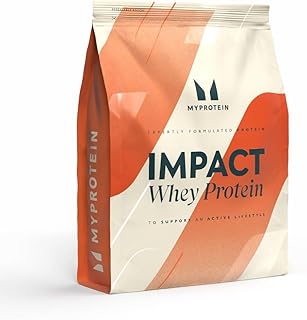
Myprotein Impact Whey Protein is a popular and affordable option for those looking to increase their protein intake. Available in various flavors and sizes, this whey protein concentrate offers a cost-effective solution for muscle building and recovery.
Features:
- Whey Protein Concentrate: Provides a good balance of protein and other nutrients.
- Wide Range of Flavors: Available in numerous flavors to suit different preferences.
- Affordable Price: One of the most budget-friendly protein powders on the market.
- Easy to Mix: Mixes well with water or milk.
Pros:
- Very affordable.
- Large variety of flavors.
- Good protein content.
Cons:
- Whey protein concentrate may contain more lactose and fat compared to isolates.
- May not be the best option for individuals with lactose intolerance.
Use Cases and Target Audience:
Ideal for budget-conscious individuals, students, and anyone looking for an affordable protein supplement. Suitable for general fitness enthusiasts and those starting their fitness journey.
Price-to-Value Assessment:
Offers excellent value for its price. While it may not be as pure as whey protein isolates, it provides a good protein source at a very affordable cost.
Protein Powder Comparison: A Side-by-Side Analysis
To help you make an informed decision, here’s a side-by-side comparison of the protein powders discussed above:
| Feature | Body Attack 100% Whey | Optimum Nutrition Gold Standard (900g) | Optimum Nutrition Gold Standard (2.27kg) | inkospor Active Pro 80 | Myprotein Impact Whey |
|---|---|---|---|---|---|
| Protein Source | Whey Hydrolysate | Whey Protein Isolates | Whey Protein Isolates | Whey, Casein, Soy | Whey Protein Concentrate |
| Protein per Serving | Varies (check label) | 24g | 24g | High (80% content) | Varies (check label) |
| Added Ingredients | BCAAs | Glutamine, Amino Acids | Glutamine, Amino Acids | None specified | None specified |
| Absorption Rate | Fast | Fast | Fast | Sustained | Moderate |
| Price | Mid-Range | Mid-Range | Mid-Range (Better Value) | Budget-Friendly | Budget-Friendly |
| Best For | Serious Athletes, Muscle Recovery | General Fitness, Muscle Building | Regular Users, Cost Savings | Sustained Release, Pre-Bedtime | Budget-Conscious, Variety of Flavors |
Key Takeaways:
- For fast absorption and serious athletes, Body Attack is a good choice due to the whey hydrolysate.
- Optimum Nutrition Gold Standard is a trusted and versatile option for general fitness and muscle building.
- inkospor Active Pro 80 is ideal for sustained protein release, making it suitable for pre-bedtime consumption.
- Myprotein Impact Whey provides an affordable solution for those on a budget.
Protein Powder Buying Guide: Factors to Consider
Choosing the right protein powder depends on your individual needs, goals, and preferences. Here are some key factors to consider:
- Protein Source: Different protein sources have different absorption rates and amino acid profiles. Common sources include:
- Whey Protein: Fast-absorbing and ideal for post-workout recovery. Whey protein comes in three main forms:
- Whey Concentrate: Contains some fat and lactose.
- Whey Isolate: More processed to remove fat and lactose, resulting in higher protein content.
- Whey Hydrolysate: Pre-digested for even faster absorption.
- Casein Protein: Slow-digesting and ideal for sustained release, often consumed before bed.
- Soy Protein: A plant-based option suitable for vegetarians and vegans.
- Pea Protein: Another plant-based option that is hypoallergenic and easily digestible.
- Rice Protein: A plant-based option that is often combined with other protein sources to create a complete amino acid profile.
- Whey Protein: Fast-absorbing and ideal for post-workout recovery. Whey protein comes in three main forms:
- Protein Content: Determine how much protein you need per serving based on your daily protein requirements and fitness goals. Aim for at least 20-30 grams of protein per serving.
- Ingredients and Additives: Check the ingredient list for any artificial sweeteners, flavors, or fillers that you may want to avoid. Look for protein powders with minimal ingredients and no added sugars.
- Taste and Mixability: Choose a flavor that you enjoy and a protein powder that mixes easily with water or milk. Read reviews to get an idea of the taste and mixability of different products.
- Dietary Restrictions: Consider any dietary restrictions or allergies you may have, such as lactose intolerance, soy allergy, or gluten intolerance. Choose a protein powder that is suitable for your specific needs.
- Budget: Protein powders vary in price, so set a budget and choose a product that offers the best value for your money. Consider buying in bulk to save money in the long run.
- Reviews and Ratings: Read online reviews and ratings from other users to get an idea of the quality and effectiveness of different protein powders. Look for products with consistently high ratings and positive reviews.
Frequently Asked Questions About Protein Powder
- What is protein powder and what are its benefits?
Protein powder is a dietary supplement made from various protein sources, such as whey, casein, soy, or plant-based proteins. It provides a convenient and efficient way to increase protein intake, which is essential for muscle growth, repair, and overall health. Benefits include improved muscle recovery, enhanced muscle growth, weight management, and increased satiety.
- How much protein powder should I consume per day?
The recommended protein intake varies depending on individual factors such as activity level, muscle mass, and fitness goals. A general guideline is to consume 0.8-1.2 grams of protein per kilogram of body weight per day for sedentary individuals, and 1.2-2.0 grams of protein per kilogram of body weight per day for athletes and active individuals. Consult with a healthcare professional or registered dietitian for personalized recommendations.
- When is the best time to consume protein powder?
The best time to consume protein powder depends on your individual goals and preferences. Common times include:
- Post-Workout: To promote muscle recovery and growth after exercise.
- Breakfast: To increase protein intake and promote satiety in the morning.
- Before Bed: To provide a sustained release of protein during sleep and prevent muscle breakdown.
- Between Meals: To increase protein intake and control hunger throughout the day.
- Are there any side effects of consuming protein powder?
Protein powder is generally safe for most individuals when consumed in moderation. However, some people may experience side effects such as digestive issues (bloating, gas, diarrhea), especially with whey protein concentrate due to lactose content. Individuals with kidney problems should consult with a healthcare professional before consuming high amounts of protein.
- Can protein powder help with weight loss?
Yes, protein powder can be a valuable tool for weight loss. It helps increase satiety, which can reduce overall calorie intake. Protein also has a higher thermic effect than carbohydrates and fats, meaning that it requires more energy to digest, which can contribute to increased calorie expenditure. Additionally, protein helps preserve lean muscle mass during weight loss, which is crucial for maintaining a healthy metabolism.
- What is the difference between whey protein concentrate, isolate, and hydrolysate?
The main differences lie in the processing methods and protein content:
- Whey Protein Concentrate
- Whey Protein Concentrate