
Best Laptops 2024: Top Reviews & Buying Guide
The laptop market is booming, offering a dizzying array of choices for every budget and need. Whether you’re a student needing a reliable machine for research and essays, a professional requiring powerful processing for demanding software, or a casual user seeking a device for browsing and streaming, finding the right laptop can feel overwhelming. This comprehensive guide cuts through the noise, providing in-depth reviews of some of the best laptops currently available, helping you make an informed decision.
We’ll examine several top contenders from leading brands, focusing on their key features, performance, price-to-value ratio, and target audience. We’ll compare them side-by-side, highlighting their strengths and weaknesses to help you pinpoint the perfect fit. This guide also includes a comprehensive buying guide to help you navigate the technical specifications and make the best choice for your individual requirements. By the end, you’ll have the knowledge to confidently select a laptop that meets your needs and budget.
Detailed Product Reviews
1. HP Laptop, 17.3 Inch HD+ Display, Intel Celeron N4120, 8 GB DDR4 RAM, 256 GB SSD, Intel UHD Graphics, Windows 11, QWERTZ Keyboard, Black
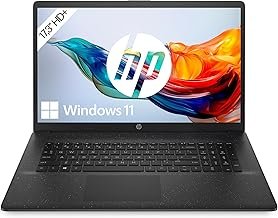
This HP laptop boasts a large 17.3-inch display, making it ideal for media consumption and multitasking. The Intel Celeron N4120 processor, while not the most powerful, provides sufficient performance for everyday tasks like browsing, email, and light productivity. 8GB of RAM ensures smooth operation, and the 256GB SSD offers ample storage. The QWERTZ keyboard is a nice touch for German-speaking users.
Pros: Large screen, decent RAM, fast SSD, affordable price.
Cons: Processor might struggle with demanding applications, HD+ resolution isn’t the sharpest.
Use Cases: Students, casual users, budget-conscious buyers.
2. Morostron Laptop with 16 inch, 8 GB DDR and 256 GB SSD, expandable to 1 TB, quad-core processor Pentium up to max
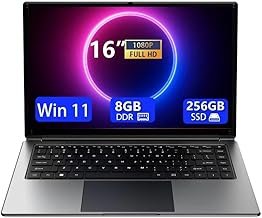
The Morostron laptop offers a compelling combination of features at a potentially competitive price point. The 16-inch display, 8GB of RAM, and 256GB SSD provide a solid foundation for various tasks. The expandable storage is a significant advantage, allowing for future upgrades. The quad-core Pentium processor provides decent performance for everyday computing tasks.
Pros: Expandable storage, relatively large screen, good value.
Cons: Specific processor details are limited in the description, user reviews are limited, making a definitive judgment on performance difficult.
Use Cases: Budget-conscious users who value expandability.
3. Lenovo IdeaPad 1 Laptop | 15.6 Inch Full HD Display | AMD Ryzen 3 7320U | 8GB RAM | 512GB SSD | AMD Radeon Graphics | Windows 11 Home | Grey | QWERTZ | 3 Months Premium Care
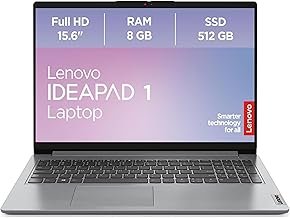
The Lenovo IdeaPad 1 stands out with its Full HD display, offering sharper visuals than some competitors. The AMD Ryzen 3 7320U processor delivers improved performance compared to the Celeron processors in other budget laptops, making it suitable for more demanding applications. The inclusion of AMD Radeon graphics adds a touch of multimedia capability. The 512GB SSD provides ample storage, and the 3-month premium care is a welcome bonus.
Pros: Full HD display, more powerful processor, larger SSD, included premium care.
Cons: May be slightly more expensive than other options in this category.
Use Cases: Students, professionals needing a moderately powerful laptop for everyday tasks and multimedia.
4. HP Laptop, 15.6 Inch FHD Display, Intel Processor N100, 4 GB DDR4 RAM, 128 GB UFS, Intel UHD Graphics, Windows 11 Home in S Mode, QWERTZ Keyboard, Natural Silver
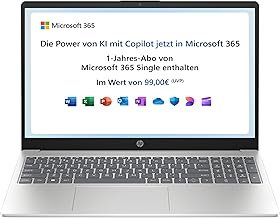
This HP laptop presents a more budget-friendly option with a 15.6-inch FHD display. However, it’s important to note the lower specifications, including only 4GB of RAM and a 128GB UFS storage. The Intel N100 processor is designed for basic tasks. Windows 11 S mode limits app installations to the Microsoft Store.
Pros: Affordable price, FHD display.
Cons: Limited RAM and storage, less powerful processor, S mode limitations.
Use Cases: Users with very basic computing needs and a tight budget.
5. Acer Chromebook 314 (CBOA314-1H-C32M) Laptop, 14 Inch FHD Display, Intel Celeron N4500, 4 GB RAM, 128 GB SSD, Intel UHD Graphics, Google ChromeOS, QWERTY Keyboard, Black

The Acer Chromebook 314 offers a different approach with its ChromeOS operating system. This makes it a lightweight and fast option for users primarily focused on web-based applications. The 14-inch FHD display provides decent visuals. However, the 4GB of RAM and 128GB SSD are relatively limited.
Pros: ChromeOS speed and simplicity, FHD display.
Cons: Limited RAM and storage, ChromeOS limitations for offline work.
Use Cases: Users who primarily utilize web-based applications, students, budget-conscious buyers.
Product Comparison
Comparing these laptops directly, we see a clear spectrum of price points and performance levels. The Lenovo IdeaPad 1 offers the most powerful processor and a larger SSD, making it the best option for users who need more processing power. The HP 17.3-inch provides a larger screen, while the Acer Chromebook is the most affordable choice for basic web browsing.
Buying Guide
Choosing the right laptop involves considering several key factors:
- Budget: Set a realistic budget before you start your search. Prices range from budget-friendly to high-end.
- Processor: The processor determines the laptop’s processing power. Intel Core i5 and i7, AMD Ryzen 5 and 7 offer superior performance for demanding tasks. Celeron and Pentium processors are suitable for simpler tasks.
- RAM: More RAM means smoother multitasking. 8GB is a good minimum for most users, while 16GB is recommended for demanding applications.
- Storage: SSD (Solid State Drive) provides significantly faster boot times and application loading compared to HDD (Hard Disk Drive). 256GB is a good starting point, but 512GB or more is beneficial for storing large files.
- Display: Consider screen size, resolution (FHD or higher is preferred for sharp visuals), and screen type.
- Operating System: Choose between Windows, macOS, or ChromeOS depending on your needs and preferences.
FAQ
- What is the difference between an Intel and AMD processor? Both Intel and AMD produce high-quality processors. The best choice depends on specific requirements and budget.
- How much RAM do I need? 8GB is sufficient for most everyday tasks, while 16GB is recommended for demanding applications like video editing or gaming.
- What’s the difference between an SSD and an HDD? SSDs are much faster than HDDs, resulting in quicker boot times and application loading.
- What screen resolution should I look for? Full HD (1920×1080) is a good minimum for sharp visuals.
- What is ChromeOS? ChromeOS is a lightweight operating system primarily focused on web-based applications.
- What is the difference between QWERTY and QWERTZ keyboards? QWERTY is the standard layout in most English-speaking countries, while QWERTZ is common in German-speaking regions.
Conclusion and Recommendations
Choosing the best laptop depends on your individual needs and budget. For users requiring a balance of performance and affordability, the Lenovo IdeaPad 1 stands out. For those prioritizing screen size and budget, the HP 17.3-inch is a solid choice. The Acer Chromebook is ideal for budget-conscious users who prioritize web-based applications.
Remember to check current pricing and availability before making a purchase.
—
## 🌟 سرویسهای مفید آمازون
علاوه بر محصولات بالا، این سرویسهای آمازون نیز میتوانند برای شما مفید باشند:
### 🔥 Amazon Prime
Free shipping, unlimited video and music
[👈 دریافت Amazon Prime](https://www.amazon.de/amazonprime?tag=buysmartersho-21)