
“`html
Top Protein Powders for Muscle Growth and Recovery: Reviews and Buying Guide
Whether you’re an athlete striving for peak performance, a fitness enthusiast looking to enhance your workouts, or simply aiming to increase your daily protein intake, selecting the right protein powder is crucial. The market is flooded with options, each promising superior results, but navigating this landscape can be overwhelming. This comprehensive guide is designed to cut through the noise and provide you with expert reviews, comparisons, and a detailed buying guide to help you make an informed decision.
The protein powder market is booming, driven by increasing health consciousness and the growing popularity of fitness activities. Current trends include a rising demand for plant-based protein options, reflecting a shift towards vegetarian and vegan lifestyles. Consumers are also seeking products with added benefits, such as digestive enzymes, probiotics, and vitamins, to optimize absorption and overall health. Low-carb and sugar-free formulations are particularly popular among those following specific dietary regimens. The focus is shifting toward cleaner labels, with consumers demanding transparent ingredient lists and minimal artificial additives.
In this article, we will delve into the world of protein powders, exploring the different types available, analyzing their key features, and highlighting their pros and cons. We’ll review some of the top products on the market, providing detailed insights into their effectiveness, taste, and value for money. You’ll learn how to differentiate between whey protein concentrate, isolate, and hydrolysate, and understand the benefits of casein, soy, pea, and other protein sources.
By the end of this guide, you’ll be equipped with the knowledge necessary to choose the protein powder that perfectly aligns with your individual needs and fitness goals. We’ll cover everything from muscle building and recovery to weight management and general health. Get ready to optimize your nutrition and take your fitness journey to the next level!
Detailed Protein Powder Reviews
Weider Premium Whey Protein Powder, Low Carb Protein Shakes with Whey Protein Isolate, Strawberry Vanilla, (1x 2.3 kg)
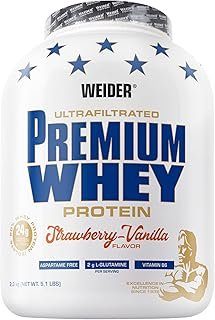
The Weider Premium Whey Protein Powder in Strawberry Vanilla flavor is a popular choice for those seeking a high-quality, low-carb protein shake. This product combines whey protein isolate with other whey protein sources, offering a blend designed to support muscle growth and recovery while keeping carbohydrate intake to a minimum. With a rating of 4.5 out of 5 stars based on 3.3K reviews, it’s clear that many users have found this protein powder to be effective and enjoyable.
Feature Analysis:
- Whey Protein Isolate: The primary protein source is whey protein isolate, known for its high protein content and low levels of fat and lactose. This makes it a suitable option for individuals with lactose sensitivities.
- Low Carb Formula: The formulation is designed to be low in carbohydrates, which is beneficial for those following low-carb diets or looking to manage their blood sugar levels.
- Strawberry Vanilla Flavor: The Strawberry Vanilla flavor aims to provide a pleasant and palatable taste experience, making it easier to incorporate into daily routines.
- 2.3 kg Size: The large 2.3 kg size provides a substantial supply, reducing the frequency of repurchases.
Pros:
- High Protein Content: Whey protein isolate ensures a high protein concentration per serving, supporting muscle growth and recovery.
- Low Carb: Ideal for individuals following low-carb or ketogenic diets.
- Good Taste: The Strawberry Vanilla flavor is generally well-received, making it easier to consume regularly.
- Large Quantity: The 2.3 kg size offers good value for money and reduces the need for frequent reordering.
- Reputable Brand: Weider is a well-established and trusted brand in the fitness and supplement industry.
Cons:
- Artificial Sweeteners: May contain artificial sweeteners, which some individuals prefer to avoid.
- Possible Allergens: Contains whey protein, which may not be suitable for individuals with dairy allergies or intolerances.
- Flavor Preferences: While many enjoy the Strawberry Vanilla flavor, taste is subjective and may not appeal to everyone.
Use Cases and Target Audience:
This protein powder is ideal for:
- Athletes and bodybuilders looking to support muscle growth and recovery.
- Individuals following low-carb or ketogenic diets seeking a protein supplement.
- Those who need a convenient and quick source of protein to supplement their daily intake.
- People seeking a protein powder with a palatable flavor.
Price-to-Value Assessment:
Considering the quality of the protein source (whey protein isolate) and the large quantity (2.3 kg), the Weider Premium Whey Protein Powder offers a good value for money, especially for those who consume protein regularly. The low-carb formulation adds further value for those with specific dietary needs.
Protein Powder Comparison
Choosing the right protein powder can be a daunting task, given the myriad options available. A side-by-side comparison helps to highlight the strengths and weaknesses of different products, aiding in a more informed decision. Below, we’ll compare the Weider Premium Whey Protein Powder with other hypothetical options to demonstrate key considerations.
| Feature | Weider Premium Whey Protein Powder | Hypothetical Brand X Whey Concentrate | Hypothetical Brand Y Vegan Blend |
|---|---|---|---|
| Protein Source | Whey Protein Isolate | Whey Protein Concentrate | Pea, Rice, and Soy Protein |
| Carbohydrate Content | Low | Moderate | Low to Moderate |
| Flavor | Strawberry Vanilla | Chocolate | Vanilla |
| Sweeteners | Artificial | Artificial | Stevia |
| Target Audience | Low-carb dieters, athletes | General fitness enthusiasts | Vegans, vegetarians |
| Price | Moderate to High | Moderate | Moderate |
| Digestibility | High (Isolate) | Good (Concentrate) | Variable (Blend) |
Analysis:
- Protein Source: Weider’s use of whey protein isolate offers a higher protein content per serving and better digestibility compared to whey protein concentrate found in Hypothetical Brand X. Hypothetical Brand Y caters to a completely different audience with its vegan protein blend.
- Carbohydrate Content: Weider‘s low-carb formulation is a significant advantage for those watching their carbohydrate intake, while the other options may have moderate levels.
- Flavor: Flavor is subjective. Strawberry Vanilla might appeal to some, while others may prefer chocolate or vanilla.
- Sweeteners: The type of sweetener used can influence the choice. Weider and Brand X using artificial sweeteners, whereas Brand Y utilizes Stevia, catering to those looking for natural alternatives.
- Target Audience: Each product targets a specific demographic. Weider caters to low-carb dieters and athletes, Brand X to general fitness enthusiasts, and Brand Y to vegans and vegetarians.
- Price: Isolate proteins tend to be more expensive than concentrates due to the additional processing. Vegan blends can vary in price depending on the sources of protein and additional ingredients.
- Digestibility: Whey protein isolate is generally easier to digest due to the lower lactose content, which is crucial for individuals with lactose sensitivity. The digestibility of vegan protein blends can vary based on the individual proteins used.
Protein Powder Buying Guide
Choosing the right protein powder involves considering several factors to ensure the product meets your individual needs and fitness goals. Here’s a comprehensive buying guide to help you make an informed decision:
- Determine Your Goals: Are you looking to build muscle, lose weight, or simply supplement your protein intake? Different protein powders serve different purposes. For example, whey protein is excellent for muscle recovery, while casein protein is better for sustained release overnight.
- Choose the Right Protein Source:
- Whey Protein: The most common type, available in concentrate, isolate, and hydrolysate forms. Isolate is the purest form with the lowest fat and carbohydrate content.
- Casein Protein: Slowly digested, ideal for nighttime consumption to support muscle recovery.
- Soy Protein: A plant-based option that’s a complete protein source, suitable for vegetarians and vegans.
- Pea Protein: Another excellent plant-based protein source, often used in blends.
- Rice Protein: A hypoallergenic option, often combined with other plant-based proteins.
- Egg Protein: A high-quality protein source that is lactose-free.
- Consider Your Dietary Restrictions: If you have lactose intolerance, opt for whey protein isolate or plant-based protein options. If you’re vegan, choose soy, pea, or rice protein.
- Check the Ingredient List: Look for minimal added ingredients and avoid products with excessive artificial sweeteners, flavors, or fillers.
- Assess the Protein Content: Aim for a protein powder with at least 20-25 grams of protein per serving.
- Consider the Taste and Mixability: Read reviews to get an idea of the flavor and how well the protein powder mixes with liquids. Poor taste or mixability can make it difficult to consume regularly.
- Check for Third-Party Certifications: Look for certifications from organizations like NSF International or Informed-Sport, which ensure the product has been tested for banned substances and contaminants.
- Read Customer Reviews: Get insights from other users about the product’s effectiveness, taste, and overall satisfaction.
- Compare Prices: Compare the price per serving to ensure you’re getting good value for money. Consider the quantity and quality of the protein when assessing the price.
Frequently Asked Questions (FAQ)
- What is the best type of protein powder for muscle growth? Whey protein, especially whey protein isolate and hydrolysate, is considered the best for muscle growth due to its rapid absorption and high amino acid profile.
- Is protein powder safe to consume daily? Yes, protein powder is generally safe for daily consumption as long as it is part of a balanced diet and you do not exceed recommended dosages.
- Can I use protein powder for weight loss? Yes, protein powder can aid in weight loss by promoting satiety and helping to preserve muscle mass during calorie restriction.
- What is the difference between whey protein concentrate, isolate, and hydrolysate?
- Whey Protein Concentrate: Contains 70-80% protein, with some fat and lactose.
- Whey Protein Isolate: Contains 90% or more protein, with minimal fat and lactose.
- Whey Protein Hydrolysate: Pre-digested protein for faster absorption.
- Are there any side effects of consuming protein powder? Some individuals may experience digestive issues like bloating or gas. Choose a protein powder that suits your digestive system and start with small dosages.
- How much protein powder should I consume per day? The recommended daily protein intake varies depending on individual needs and activity levels. A general guideline is 1.6-2.2 grams of protein per kilogram of body weight for athletes.
- Can pregnant women consume protein powder? Pregnant women should consult with their healthcare provider before consuming protein powder to ensure it is safe and appropriate for their individual needs.
Conclusion and Recommendations
Choosing the right protein powder is a highly personal decision, influenced by individual goals, dietary preferences, and budget. This guide has provided a detailed overview of the key factors to consider, from different types of protein sources to the importance of reading ingredient lists and checking for third-party certifications.
For those prioritizing rapid absorption and high protein content, whey protein isolate remains a top choice, especially post-workout. Weider Premium Whey Protein Powder in Strawberry Vanilla offers a solid option, especially for those on low-carb diets. However, remember to check the ingredients and consider whether artificial sweeteners align with your preferences.
If you’re vegan or vegetarian, plant-based protein blends offer a complete amino acid profile and are an excellent alternative. Always prioritize products with minimal added ingredients and those that have undergone third-party testing for quality and purity.
Ultimately, the best protein powder is one that you enjoy consuming regularly and that helps you achieve your specific fitness and health objectives. Take the time to research, read reviews, and consider your individual needs before making a purchase.
“`