
Top 5 Best Laptops in 2024: Expert Reviews and Buying Guide
The laptop market is a dynamic landscape, constantly evolving with new technologies and innovations. Choosing the right laptop can feel overwhelming, given the sheer number of options available. This comprehensive guide cuts through the noise, providing detailed reviews of five top-performing laptops across various price points and specifications. We’ll delve into their features, strengths, weaknesses, and ideal use cases, empowering you to make an informed decision. Whether you’re a student, a professional, or simply looking for a reliable everyday computer, we’ve got you covered. This guide also explores current market trends, highlighting key features to consider and ultimately helping you find the best laptop to meet your needs and budget.
Detailed Product Reviews
1. HP Laptop, 17.3 Inch HD+ Display, Intel Celeron N4120, 8 GB DDR4 RAM, 256 GB SSD, Intel UHD Graphics, Windows 11, QWERTZ Keyboard, Black
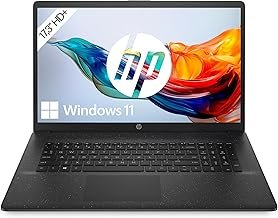
This HP laptop boasts a large 17.3-inch display, making it ideal for media consumption and multitasking. The Intel Celeron processor, while not the most powerful, provides sufficient performance for everyday tasks like browsing, email, and light productivity. 8GB of RAM ensures smooth multitasking, and the 256GB SSD offers fast boot times and ample storage.
- Pros: Large screen, good storage, smooth multitasking, affordable.
- Cons: Celeron processor limits demanding applications, HD+ resolution is not the sharpest.
Target Audience: Budget-conscious users, students, those prioritizing screen size for media consumption.
Price-to-Value: This laptop offers good value for its price, providing a large screen and decent performance for everyday use.
2. Morostron Laptop with 16 inch, 8 GB DDR and 256 GB SSD, expandable to 1 TB, quad-core processor Pentium up to max
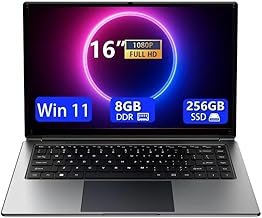
The Morostron laptop offers a 16-inch display and a Pentium quad-core processor, providing decent performance for everyday tasks. The 256GB SSD is expandable, which is a significant advantage. 8GB of RAM is standard.
- Pros: Expandable storage, decent processor, good price point.
- Cons: Limited reviews make it hard to gauge long-term reliability.
Target Audience: Budget-conscious users seeking expandability.
Price-to-Value: Offers good value for money, particularly for users who require expandable storage.
3. Lenovo IdeaPad 1 Laptop | 15.6 Inch Full HD Display | AMD Ryzen 3 7320U | 8GB RAM | 512GB SSD | AMD Radeon Graphics | Windows 11 Home | Grey | QWERTZ | 3 Months Premium Care
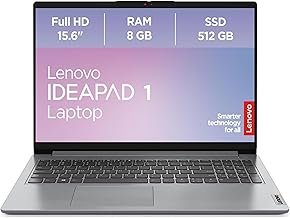
The Lenovo IdeaPad 1 stands out with its Full HD display, offering sharper visuals than many competitors in its price range. The AMD Ryzen 3 7320U processor provides a noticeable performance boost over the Celeron processors in other budget laptops. The inclusion of 512GB SSD storage is also a significant plus.
- Pros: Full HD display, powerful Ryzen processor, large SSD storage.
- Cons: Might struggle with very demanding tasks.
Target Audience: Students, casual users, those seeking better performance than entry-level models.
Price-to-Value: This offers excellent value, balancing performance and features.
4. HP Laptop, 15.6 Inch FHD Display, Intel Processor N100, 4 GB DDR4 RAM, 128 GB UFS, Intel UHD Graphics, Windows 11 Home in S Mode, QWERTZ Keyboard, Natural Silver
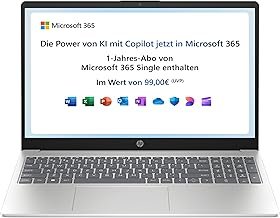
This HP laptop is a more basic model, ideal for simple tasks. The Intel N100 processor is entry-level, and the 4GB RAM might feel limiting for multitasking. The 128GB UFS storage is sufficient for basic needs but may fill up quickly.
- Pros: Affordable, lightweight, FHD Display.
- Cons: Limited RAM and storage, weaker processor.
Target Audience: Users on a very tight budget who primarily need a laptop for basic tasks like web browsing and email.
Price-to-Value: This is a very affordable option, but compromises on performance and features.
5. Acer Chromebook 314 (CBOA314-1H-C32M) Laptop, 14 Inch FHD Display, Intel Celeron N4500, 4 GB RAM, 128 GB SSD, Intel UHD Graphics, Google ChromeOS, QWERTY Keyboard, Black

The Acer Chromebook offers a different operating system experience with ChromeOS. This is a lightweight and portable option ideal for those primarily using web-based applications. The Intel Celeron N4500 processor is sufficient for ChromeOS, and the 128GB SSD provides ample space.
- Pros: Lightweight and portable, ChromeOS is simple and secure, great battery life.
- Cons: Limited functionality compared to Windows laptops, 4GB RAM may be limiting.
Target Audience: Students, casual users who primarily use web apps, those prioritizing portability and battery life.
Price-to-Value: Excellent value for a Chromebook, perfect for basic computing needs.
Comparison Section
Comparing the five laptops, the Lenovo IdeaPad 1 offers the best balance of performance, features, and price. Its Full HD display and Ryzen 3 processor provide a significant upgrade over the other budget options. The HP 17.3-inch model prioritizes screen size but compromises on processing power. The Morostron offers expandable storage, a significant advantage for those anticipating future needs. The basic HP 15.6-inch and Acer Chromebook models are best suited for users with minimal computing demands.
Buying Guide
Choosing the right laptop depends on your individual needs and budget. Consider these factors:
- Operating System: Windows, macOS, or ChromeOS? Windows offers the most versatility, macOS is known for its user-friendliness, and ChromeOS is ideal for web-based applications.
- Processor: The processor determines the laptop’s processing power. Intel Core i5 and i7, AMD Ryzen 5 and 7 are powerful options. Celeron and Pentium are budget-friendly but less powerful.
- RAM: 8GB is a minimum for smooth multitasking, while 16GB is recommended for demanding applications.
- Storage: SSDs are significantly faster than HDDs. Consider at least 256GB storage, or more depending on your needs.
- Display: Full HD (1920×1080) offers sharp visuals. Consider screen size based on your usage.
- Budget: Set a realistic budget before you start shopping.
FAQ Section
- Q: What is the difference between an Intel and AMD processor? A: Both Intel and AMD produce processors, with performance often overlapping depending on the specific model. Generally, Intel tends to be favored for ultra-portable laptops, while AMD is becoming increasingly competitive in the performance and value space.
- Q: How much RAM do I need? A: 8GB is generally sufficient for everyday tasks, but 16GB is recommended for heavy multitasking or demanding applications.
- Q: What is the difference between an SSD and an HDD? A: SSDs (Solid State Drives) are significantly faster than HDDs (Hard Disk Drives) leading to quicker boot times and application loading.
- Q: What is the importance of screen resolution? A: Higher resolution (like Full HD) means sharper images and text.
- Q: What is ChromeOS? A: ChromeOS is an operating system based on the Google Chrome browser. It’s known for its simplicity, security, and reliance on web-based applications.
- Q: How do I choose a laptop for gaming? A: Gaming laptops require dedicated graphics cards (like NVIDIA GeForce RTX or AMD Radeon RX) with high RAM and storage.
- Q: What size laptop is best? A: This depends on your needs. 13-14 inch laptops are ultra-portable, while 15-17 inch offer more screen real estate.
Conclusion and Recommendations
Choosing the best laptop is a personal decision based on individual needs and budget. This guide has reviewed five popular models, highlighting their strengths and weaknesses. For most users, the Lenovo IdeaPad 1 offers the best overall value, balancing performance and features. However, if screen size is paramount, the HP 17.3-inch is a strong contender. Remember to carefully consider your budget and computing needs before making your final choice.
—
## 🌟 سرویسهای مفید آمازون
علاوه بر محصولات بالا، این سرویسهای آمازون نیز میتوانند برای شما مفید باشند:
### 🔥 Amazon Prime
Free shipping, unlimited video and music
[👈 دریافت Amazon Prime](https://www.amazon.de/amazonprime?tag=buysmartersho-21)